
Understanding the psychology behind casino gambling Why we take the risk
The Allure of Chance
The thrill of uncertainty is a fundamental aspect of human psychology. When individuals step into a casino, they are often captivated by the potential of winning big. This allure is heightened by the randomness of games, which instills a sense of hope and excitement. The anticipation of a jackpot or a winning hand ignites the brain’s reward system, releasing dopamine, the neurotransmitter associated with pleasure and motivation. Many are drawn to platforms like pin up casino, where such excitement can be experienced first-hand.
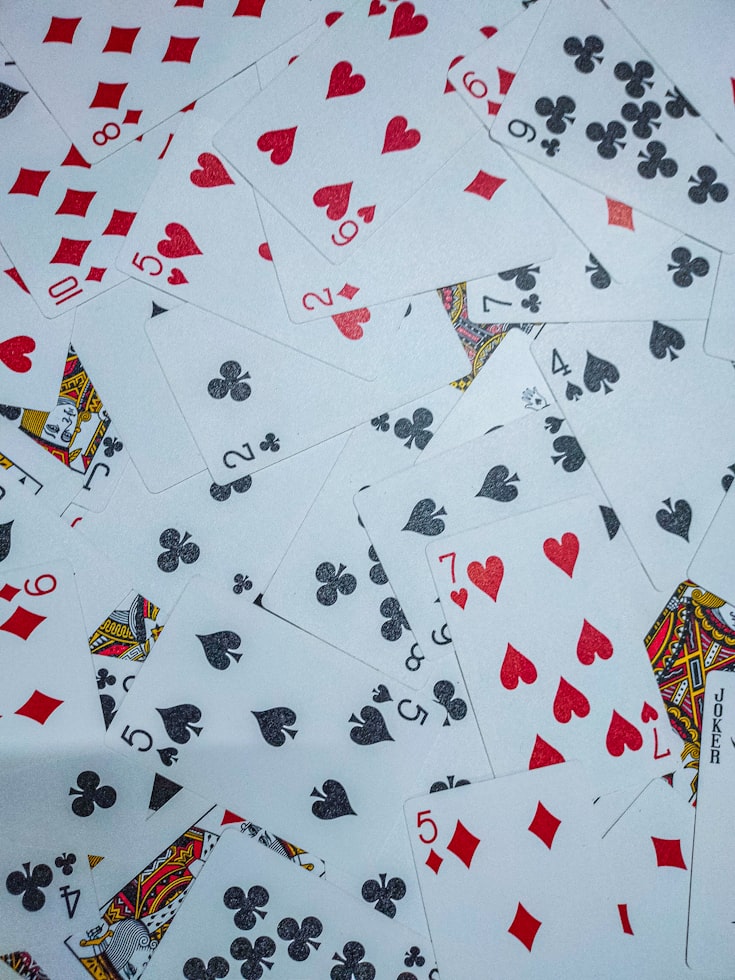
Moreover, the unpredictability of outcomes makes gambling unique. Unlike many other activities, where success can be planned or predicted, casino games offer a tantalizing element of risk. This unpredictability taps into our primal instincts, drawing people into a world where fortunes can change in an instant, fueling both adrenaline and desire.
The Role of Cognitive Biases
Cognitive biases significantly influence gambling behavior. One of the most common biases is the illusion of control, where individuals believe they can influence the outcome of random events. Gamblers often think their skills or strategies can sway the results of games like slots or roulette, leading to persistent engagement despite statistical evidence to the contrary.
Additionally, the gambler’s fallacy is prevalent, where individuals mistakenly believe that past results will affect future outcomes. For instance, after several losses, a player might feel a win is «due,» further entrenching them in the cycle of gambling. These biases create a false sense of security that fuels continued participation in casino activities.
Social Influences on Gambling
The social environment plays a significant role in gambling behavior. Many people are drawn to casinos not just for the games but for the communal experience. The atmosphere, filled with excitement, laughter, and shared moments, can enhance the enjoyment of gambling, making it a social activity rather than a solitary one.
Peer pressure and the desire for social acceptance can also drive individuals to gamble. In many cultures, visiting a casino is viewed as a rite of passage or a fun night out, further normalizing the behavior. This social dynamic can lead to increased participation, as individuals seek to connect with friends and loved ones while indulging in the thrill of chance.
The Emotional Rollercoaster of Gambling
Gambling is an emotional journey, characterized by highs and lows. The joy of winning can be euphoric, creating a strong emotional attachment to the activity. However, this is often juxtaposed with feelings of disappointment during losses, leading to a complex relationship with gambling.
As players oscillate between these emotional states, they may find themselves rationalizing their gambling habits to cope with the losses. This emotional rollercoaster can create a dependency on the thrill of gambling, where the excitement of potential wins outweighs the reality of risks involved.
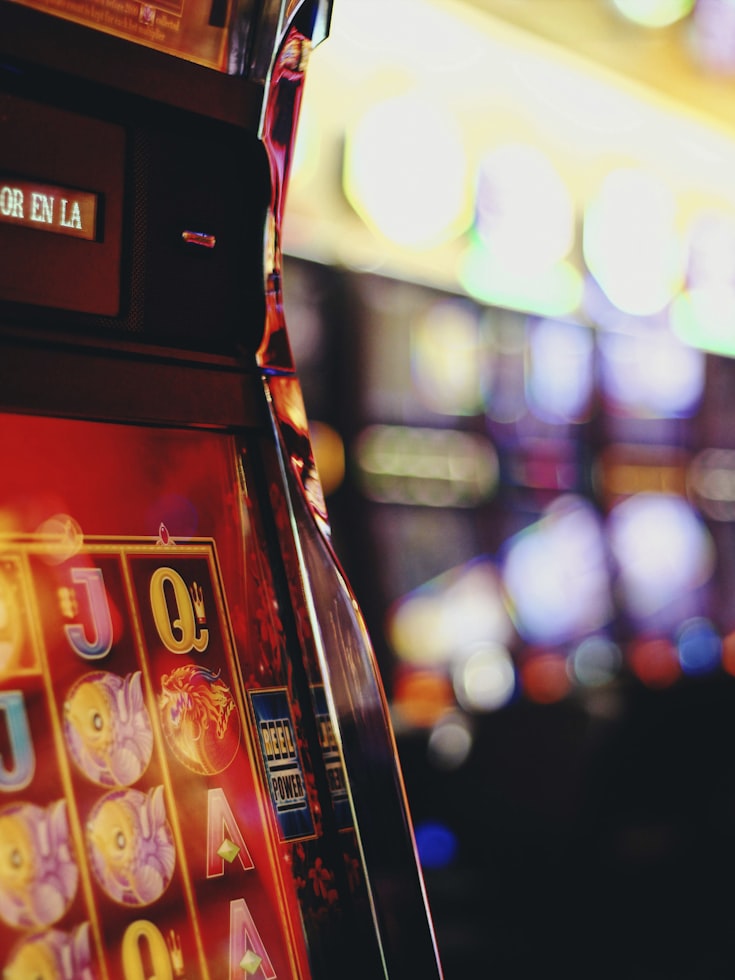
Explore More About Casino Gambling
To delve deeper into the intricacies of gambling psychology and its effects on individuals, our website offers a wealth of resources. We focus on understanding the motivations behind casino experiences, providing insights into how emotional, social, and cognitive factors intertwine in the realm of gambling.
Whether you are a casual player or someone intrigued by the psychological aspects of gambling, our platform serves as a comprehensive guide. Join us to explore articles, tips, and expert opinions that shed light on the fascinating world of casino gambling and the human psyche.